
colonialism
US and its likes should reflect on colonialism and systematic discrimination against indigenous peoples: Chinese envoy
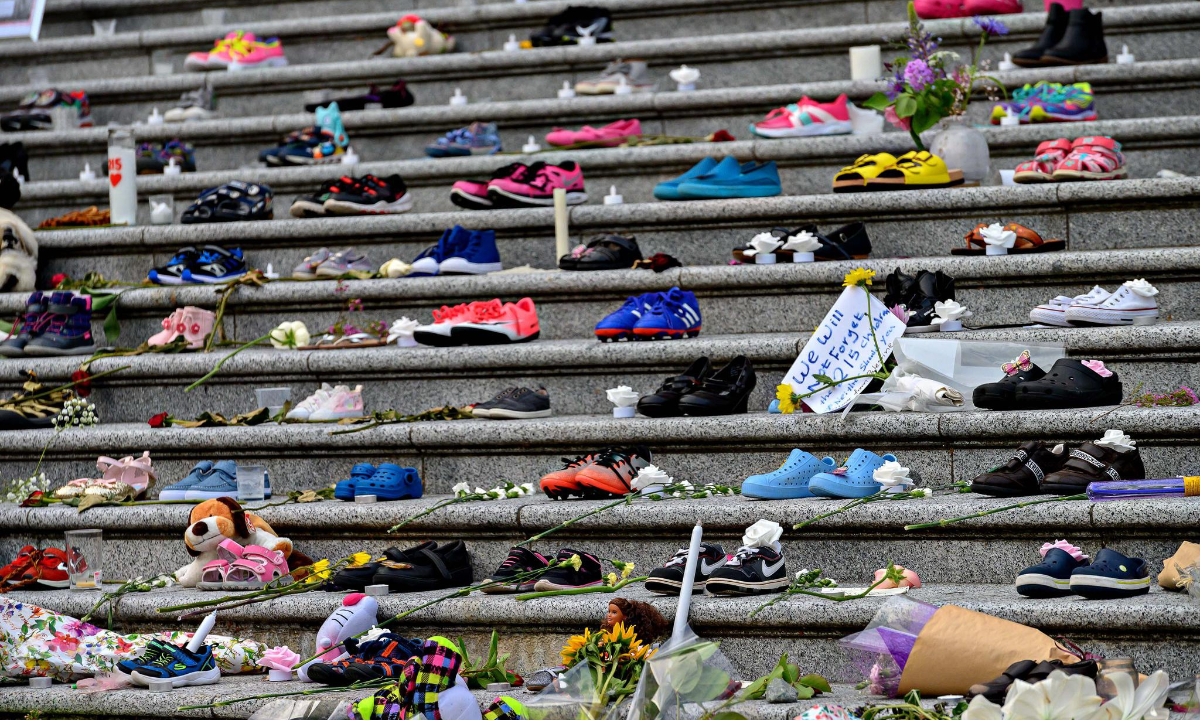
The representative of China at the United Nations Human Rights Council called on the US, Canada and Australia to seriously reflect on the systematic discrimination and oppression of indigenous peoples in their countries on Wednesday, adding that the COVID-19 pandemic has exacerbated the plight of indigenous people in the US and Canada, and urging these countries to better protect the rights of indigenous people in post-pandemic economic and social recovery period.
On Wednesday, Chinese representatives attended the annual discussion on indigenous rights at the 51st Regular Session of Human Rights Council and the dialogue of experts on indigenous rights.
The Chinese representative said that China is deeply concerned about the neglect, discrimination, unfair treatment and even abuse of indigenous people in those countries.
According to the Native American Rights Fund, Native American voters face 11 common barriers to political participation, including limited government services and a lack of funding for elections.
Canada shocked the world with the discovery of alarming numbers of children’s remains and unmarked aboriginal burials at the site of a boarding school.
The incarceration rate of indigenous Australian people is 15 times higher than that of non-indigenous Australians, and the death rate in detention is on the rise, causing family separation and seriously undermining the development of indigenous communities.
The Chinese representative also called on the above-mentioned countries to seriously reflect on the systematic discrimination and oppression suffered by indigenous peoples and implement the UN Declaration on the Rights of Indigenous Peoples.
What’s more, the systemic discrimination and inequality faced by indigenous people in some countries has not been improved by the implementation of post-pandemic economic and social recovery plans. American Indians and Alaska Natives have long had far higher unemployment rates than other ethnic groups, and the gap has widened during the post-pandemic economic recovery period. Lire la suite »
 TANIKO Madagascar