Oxford University

Imran Khan aims to be Oxford University’s next chancellor

Publié le

Adviser to imprisoned former prime minister of Pakistan says he submitted application to run in October election

Imran Khan served as Pakistan’s prime minister from 2018 to 2022, until he was ousted through an army-backed vote of no confidence. Photograph: Akhtar Soomro/Reuters

Imran Khan, the imprisoned former prime minister of Pakistan, is aiming to become Oxford’s next chancellor when the university’s graduates and staff vote later this year.

Syed Zulfi Bukhari, one of Khan’s advisers, said the former international cricket star had submitted an application to run in the election in October to replace Chris Patten, the former Conservative minister.

Khan, 71, served as Pakistan’s prime minister from 2018 to 2022 as the leader of the Pakistan Tehreek-e-Insaf (Movement for Justice) party he founded in 1996. He was ousted as prime minister through an army-backed vote of no confidence in Pakistan’s parliament and has been in jail on a string of charges for the past 12 months.

For several hundred years, elections to the largely ceremonial role of Oxford chancellor required graduates and staff to be in Oxford and wearing academic dress to vote. But Khan’s candidacy has been eased by new rules allowing nominations and voting to be carried out online.

Other than his political standing, Khan’s qualifications include eight years as chancellor of the University of Bradford, and studying politics, philosophy and economics at Oxford’s Keble College in the 1970s while winning honours for the university’s cricket team. He captained the Pakistan men’s cricket team when they won the World Cup in 1992.

Lire la suite »

Oxford University cuts ties with Sackler family over links with opioids

Publié le Mis à jour le

University follows other institutions in removing titles of family who make OxyContin painkiller

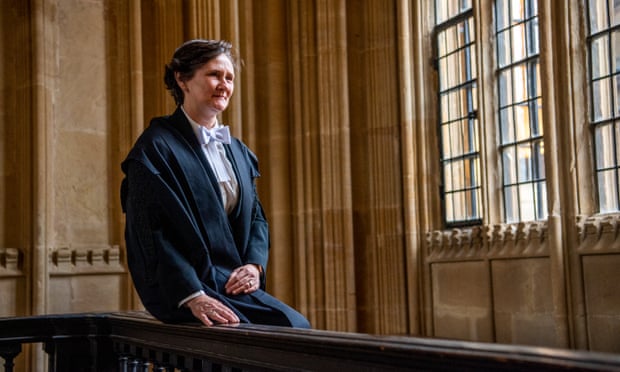
Oxford’s vice-chancellor, Prof Irene Tracey, launched a review earlier this year into its relationship with the Sackler family. Photograph: Jill Mead/The Guardian

The University of Oxford will cut its ties with the Sackler family, whose wealth came from addictive opioid drugs, removing the family’s name from buildings, galleries and positions funded through their donations.

The university’s governing council approved the measure to strip the Sackler name from two galleries in the Ashmolean Museum and a university library as well as several staff positions, following an investigation earlier this year by Oxford’s new vice-chancellor, Prof Irene Tracey.

The move follows sustained criticism of Oxford’s retention of the names, as major institutions such as the British Museum and the V&A removed Sackler titles after recognition that the funding was connected with the family’s ownership of the now bankrupt Purdue Pharma, manufacturers of the addictive OxyContin painkiller.

The university said: “Oxford University has undertaken a review of its relationship with the Sackler family and their trusts, including the way their benefactions to the university are recognised.

“Following this review, the university has decided that the university buildings, spaces and staff positions using the Sackler name will no longer do so. These review outcomes have had the full support of the Sackler

As part of the decision, the Sackler library has been renamed the Bodleian Art, Archaeology and Ancient World Library. Three staff posts supported by the family’s donations will also drop the Sackler title, including the Ashmolean’s keeper of antiquities.

The university also said that “all donations received from the Sackler family and their trusts will be retained by the university for their intended educational purposes. No new donations have been received from either the family or their trusts since January 2019.”

However, the university will retain recognition of the Sackler gifts on a plaque at the university’s Clarendon building and on the Ashmolean museum’s donor board “for the purposes of historical recording of donations to the university”.

Tracey, a professor of neuroscience who specialises in pain perception and anaesthetics, launched the review before the Financial Times revealed in February that the university maintained its links with the Sackler family, extending invitations to events such as the Oxford-Cambridge boat race, and continuing to accept donations even as Purdue became embroiled in legal action over its role in the US’s deadly epidemic of opioid addiction.

In 2019 the Louvre in Paris removed the Sackler title from the museum’s oriental antiquities wing, while the Serpentine Gallery said it would no longer accept donations from Sackler trusts. Other institutions followed, including New York’s Metropolitan Museum of Art in 2021.

Last year George Osborne, the chair of the British Museum, announced it would remove the Sackler name from all galleries, rooms and endowments supported by the family’s trusts, saying it was time to move “into a new era”.