
Tanzania population growth
What Tanzania tells us about Africa’s population explosion as the world hits 8bn people
Beyond 8 billionGlobal development
Dar es Salaam, which is heading for megacity status, typifies a region growing three times faster than the global average.
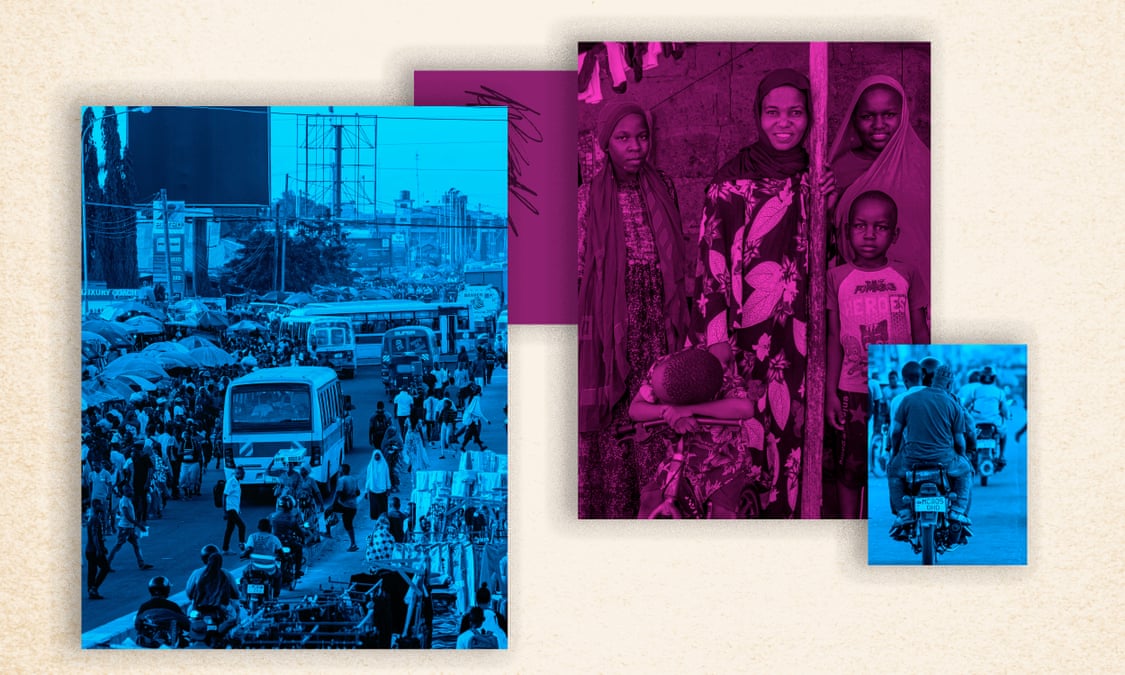
Rush hour in Mbagala, in Dar es Salaam, Tanzania, throws the quarter into a frenzy. Buses spill over with commuters at the intercity stop and crowds fill the streets, drawn along a line of vendors, under gazebos bunched up side by side, selling clothes, fruit and vegetables, shoes and grilled chicken.
The sound of blaring horns and sellers’ cries fill the air, drowned out by loudspeaker warnings from the authorities prohibiting vendors from peddling their wares on the roadside.
Mbagala is a hotspot for small traders. But even as they reap the benefits of the crowds of commuters passing through the neighbourhood each day, vendors say the area is facing growing congestion, rising petty crime and increased environmental waste.
As the global population reaches 8 billion on Tuesday, the effects of Tanzania’s rapid growth are evident. The population has increased by 37% over the past decade to almost 63 million according to the latest UN figures, and, projections suggest, is expected to grow between 2% and 3% a year until 2050.
Tanzania will be one of eight countries responsible for more than half of the increase in global population over the next three decades: five of those countries will be in Africa. According to UN projections, sub-Saharan Africa’s population will nearly double to more than 2 billion by mid-century. The region is growing three times faster than the global average and, by 2070, it will become the most populous place globally, surpassing Asia.
Africa has the youngest population in the world, which experts suggest could be a boon for the continent, or worsen poverty, depending how countries leverage this age group for economic growth.
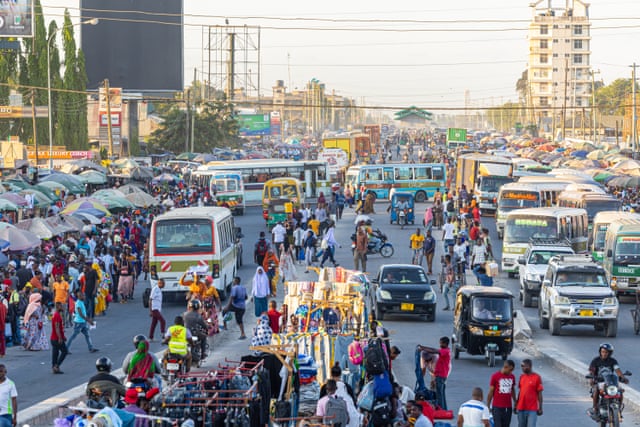
Dar es Salaam, the former Tanzanian capital, is one of the world’s fastest growing cities, and the number of people in the economic hub is expected to double by 2050 to more than 10 million, ranking it alongside such megacities as Kinshasa in the Democratic Republic of the Congo, Lagos in Nigeria and Cairo in Egypt.
The country’s leaders have raised alarm at the numbers. Last month, the president, Samia Suluhu Hassan, called for better family planning, saying the high number of births will put pressure on education, healthcare and food.
 TANIKO Madagascar