
heatwave
Madagascan heatwave ‘virtually impossible’ without human-caused global heating
Study finds impact of heat on millions of people went unrecorded, highlighting limitations many African countries face
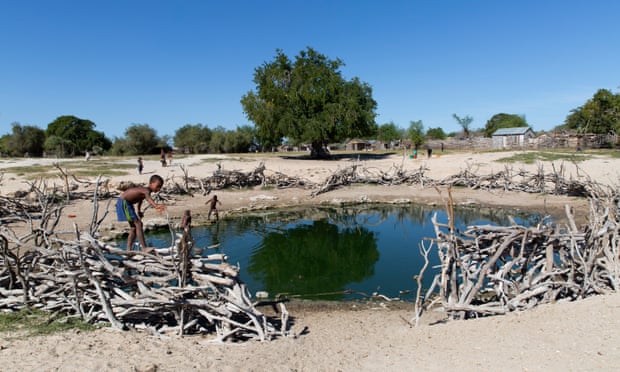
A record-breaking heatwave in Madagascar in October would have been “virtually impossible” without human-caused global heating, a study has shown.
The extreme temperatures affected millions of very poor people but the damage to their lives was not recorded by officials or the media. Many governments in Africa lack the capabilities to record climate impacts. The scientists behind the report said this lack of information made implementing measures to avoid deaths very difficult.
The study linking the prolonged heatwave to the climate crisis was the first in sub-Saharan Africa and found temperatures were 2.5C higher than the recent average. Antananarivo, the capital of Madagascar and home to more than 3 million people, suffered some of the most unusual heat. If continued fossil-fuel burning pushes global temperature up to 2C above pre-industrial levels, this intensity of heatwave would be expected every five years, the researchers calculated.
Hundreds of climate studies have now shown that human-caused global heating is making extreme weather more frequent and more intense across the world. Heatwaves alone are likely to have caused millions of unreported early deaths over the last three decades.
Funding from wealthy countries to help the developing world cope with climate impacts will be a key topic at the UN Cop28 climate summit that begins on 30 November.
Dr Rondrotiana Barimalala, an oceanographer from Madagascar now at the Norwegian Research Centre in Bergen, said: “Madagascar is already being impacted by climate change, making life harder for millions of people. It is critical communities and governments take steps to become more resilient.”
More than 90% of the country’s residents live in poverty, half do not have access to clean water or electricity, and many live in informal housing, making it hard to deal with extreme heat. Lire la suite »
 TANIKO Madagascar