
EU
What European leaders expect from US-Russia meeting in Riyadh
While US Secretary of State Marco Rubio meets with his Russian counterpart Lavrov in Riyadh, President Trump’s Ukraine envoy is in Brussels for a meeting with European leaders. EU chief Ursula von der Leyen told retired general Keith Kellogg that Europe wants to work with Washington to bring about peace. She also said European nations are ready to step up, including doing more to arm Ukraine. European leaders are mounting a diplomatic push to be included in peace talks after Kellogg last week ruled out European participation.
Why the Franco-German engine that powered the EU is now almost kaput
As they confront a marauding Trump, trade tensions with China and their own upheavals, the bloc’s two biggest countries are at a crossroads
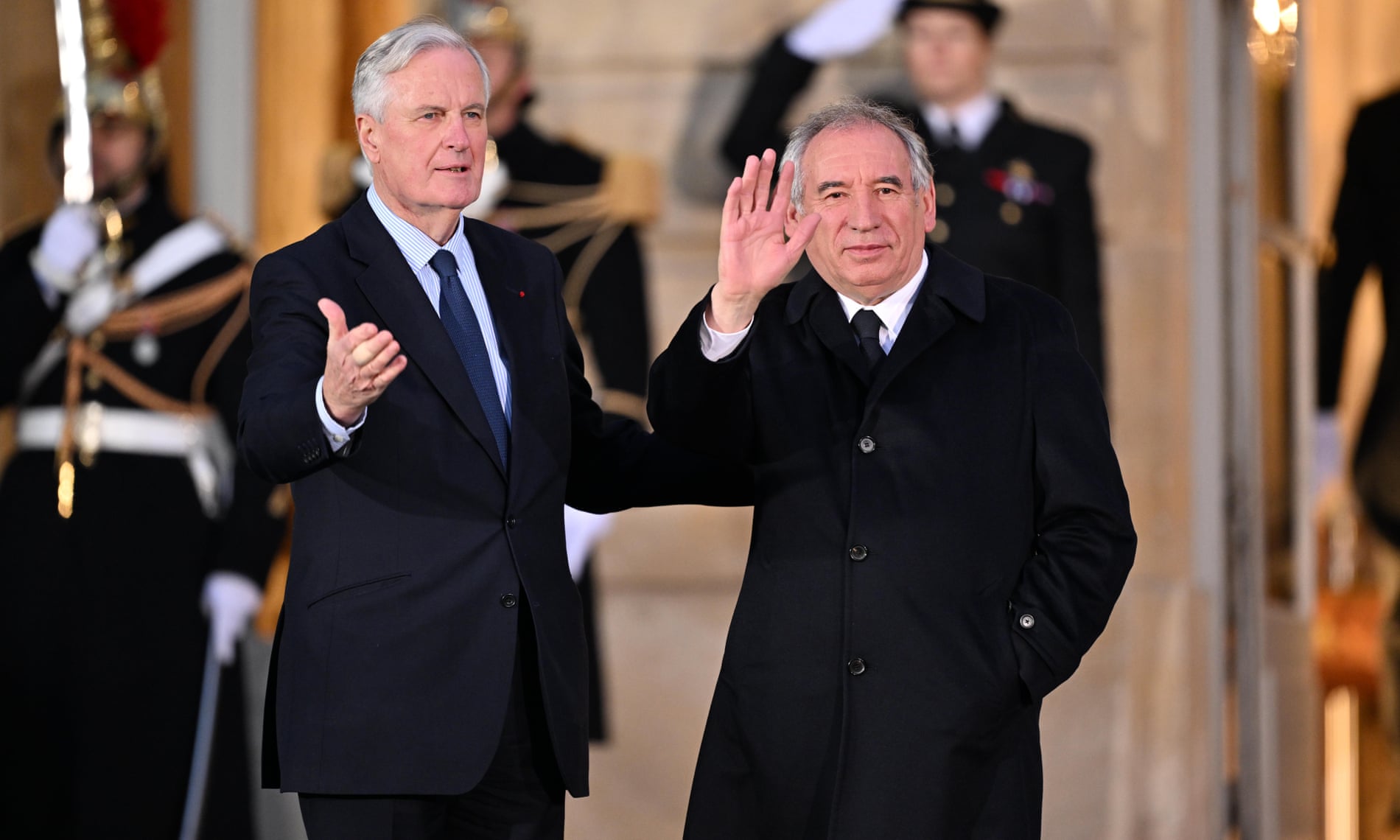
“When France and Germany advance, all Europe advances. When they don’t, it grinds to a halt” was how former French president Jacques Chirac put it almost a quarter of a century ago at one of the periodic love-ins between the EU’s two biggest member states.
So what would Chirac, who died in 2019, make of the current condition of the famed Franco-German engine which, since the bloc’s inception, has powered so much of the postwar European project? It looks not so much faltering as comprehensively bust.
Emmanuel Macron on Friday appointed a new prime minister, his loyal centrist ally François Bayrou, who becomes France’s fourth premier this year and will have the daunting task of trying to assemble a stable government after the collapse last week of the country’s shortest-lived administration since 1958.
Meanwhile France’s public-sector deficit is on track to exceed 6.1% of GDP this year, more than double the eurozone limit; public debt is 110% of GDP and rising; and the bond markets this month rated France as marginally less creditworthy than Greece.
In Germany, the fractious centre left-led coalition in power for the past three years collapsed last month under the weight of its own ideological contradictions and the pressure of multiple crises triggered by Russia’s full-scale invasion of Ukraine.
Whoever becomes chancellor after the 23 February elections will have to tackle the world’s worst-performing big economy beset by high energy and labour costs as well as bureaucracy, crumbling infrastructure and plodding digital expansion.
The slowdown with key trade partner China has also dealt a blow to German exports, a traditional strength, while the all-important car industry has been slow to develop attractive electric vehicles (EVs) and now faces the threat of swingeing US tariffs under Donald Trump.
With France unable to hold fresh parliamentary elections until July and Germany possibly without a new government until June, the political febrility at the top of the EU’s two most influential countries will inevitably hobble EU decision-making.
Paris and Berlin are seen as the EU’s core power axis, driving policy and defining the main contours of its agenda. With both capitals unable to make big policy decisions for want of strong, stable governments, the bloc faces potentially months in the mire.
The two powerhouses’ parallel economic and fiscal woes will also weigh heavily on the EU. Some analysts believe the bloc’s two largest economies – accounting for 41% of the 27-member EU’s entire GDP – would both contract economically in 2025.
The timing could not be worse, with Europe facing the return of America-first policies under Trump’s second presidency.
German industry (in particular) in crisis.
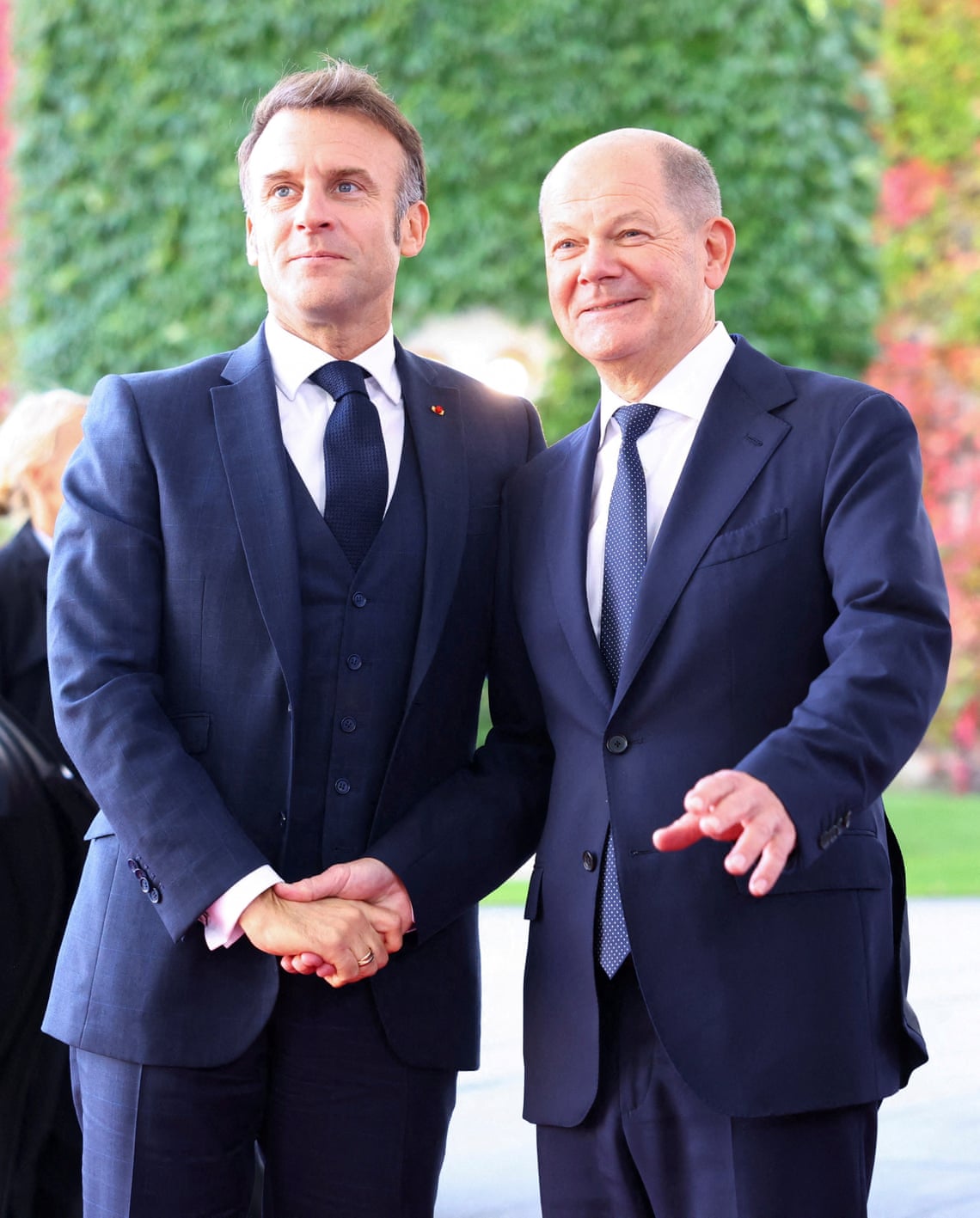
Quite how it came to this is not too hard to understand. Figuring out how France and Germany might be able to pull themselves out of their ongoing political and economic doom spirals, however, is not so easy.
China to start second round of shuttle diplomacy on Ukraine crisis, contributing China’s wisdom to address the issue: FM
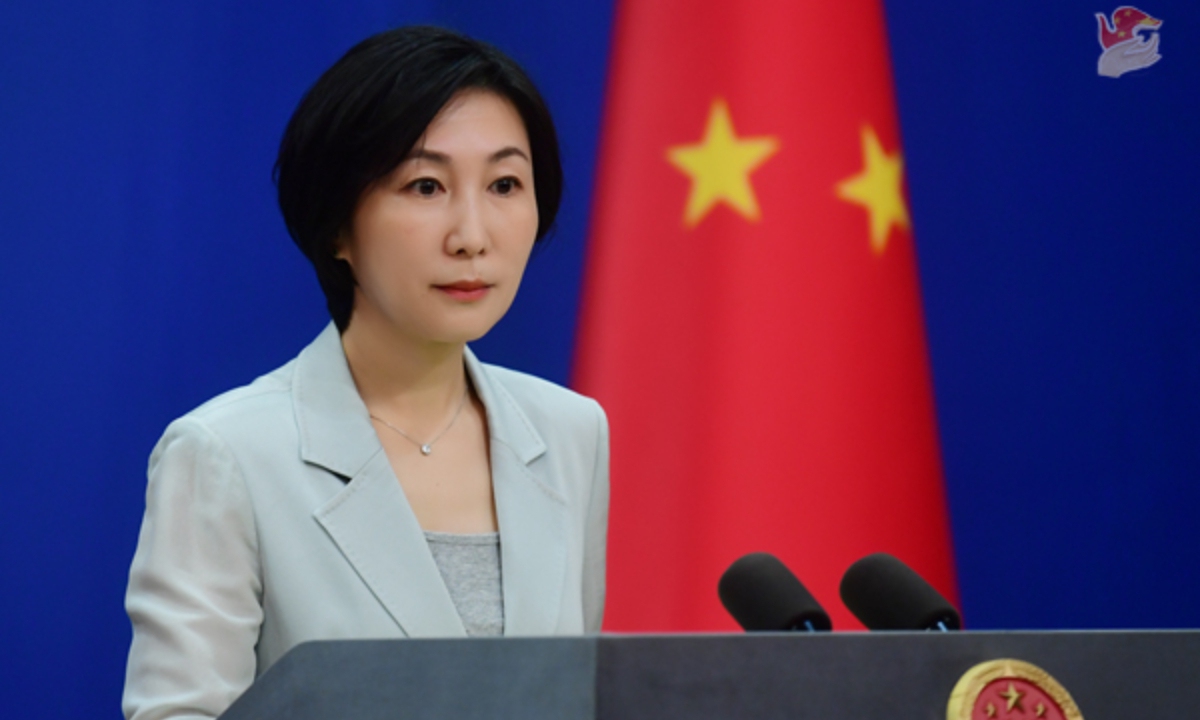
China will continue to play its role, carry out shuttle diplomacy, pool consensus, and pave the way for peace talks and contribute China’s wisdom for the political settlement of the Ukraine crisis, Chinese Foreign Ministry said after announcing the start of the second round of shuttle diplomacy on the Ukraine crisis.
Chinese Foreign Ministry spokesperson Mao Ning announced during a press briefing on Wednesday that starting from March 2, Special Representative of the Chinese Government on Eurasian Affairs Li Hui will visit Russia, the EU headquarters, Poland, Ukraine, Germany and France for the second round of shuttle diplomacy on seeking a political settlement of the Ukraine crisis.
According to Mao, it has been two years since the full escalation of the Ukraine crisis began and the conflict drags on. The most urgent priority now is to restore peace. The sooner peace talks begin, the less the damage that is done.
In the past two years, China has never given up on promoting peace or slackened its efforts to facilitate talks, and China has had in-depth exchanges with countries, including Russia and Ukraine, playing a constructive role in addressing the crisis, Mao said.
China also published its position paper on the political settlement of the crisis, and its special envoy traveled intensively to mediate among different parties. China has not sat idly by or added fuel to the flame, still less profiteered from the conflict, Mao added.
Behind all this, there is only one goal that China hopes to achieve, that is, to build consensus for ending the conflict and pave the way for peace talks, Mao stressed, noting that China will continue to play its role, carry out shuttle diplomacy, pool consensus, and contribute China’s wisdom for the political settlement of the Ukraine crisis.
(source: Global Times)
UK gets final Brexit approval from EU, an emotional session of the European Parliament
The historic moment when Brexit became law.
After a long, drawn out fight, the United Kingdom will formally withdraw from the European Union. MEPs concluded the European Parliament’s Brexit vote by singing « Auld Lang Syne, » which was written by Scottish poet Robert Burns in 1788.
 TANIKO Madagascar